Day343: Barcelona “Barcelona Font”
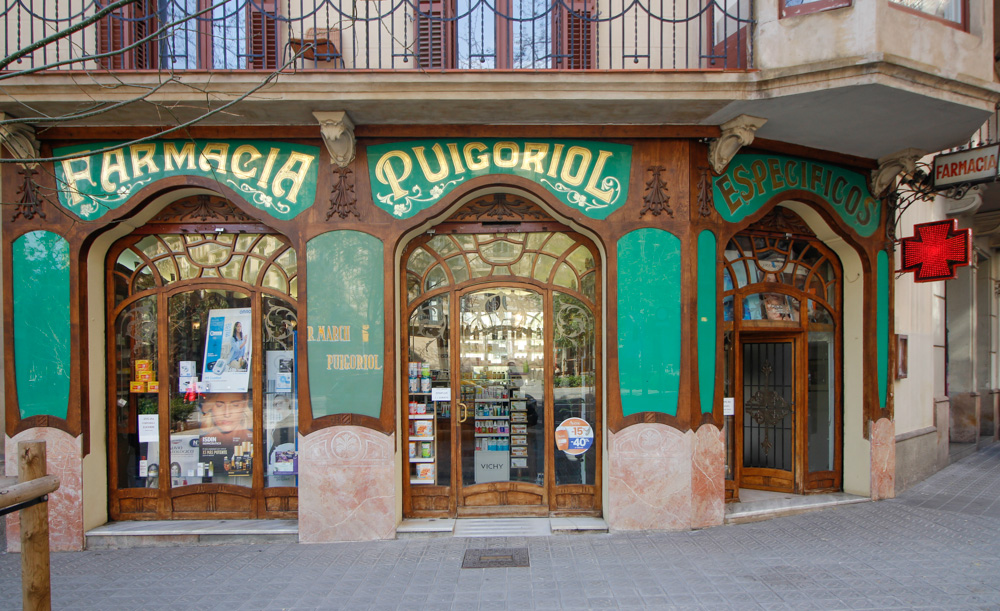
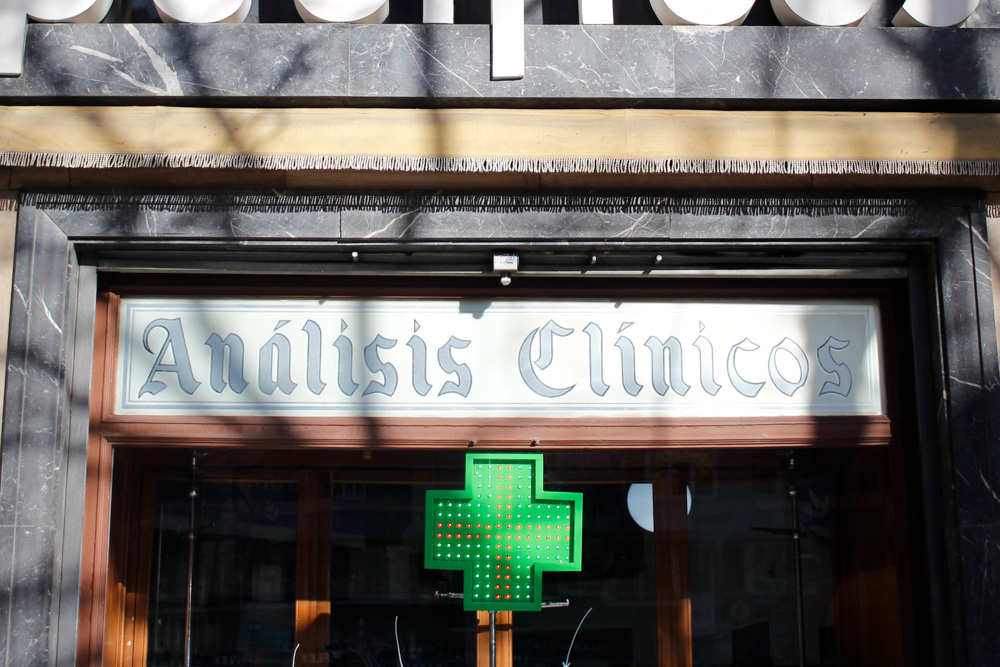
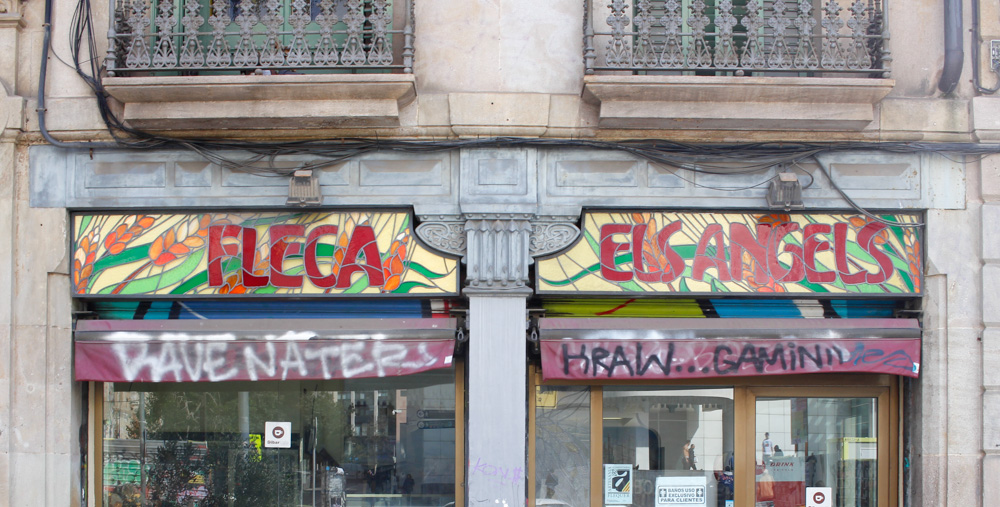
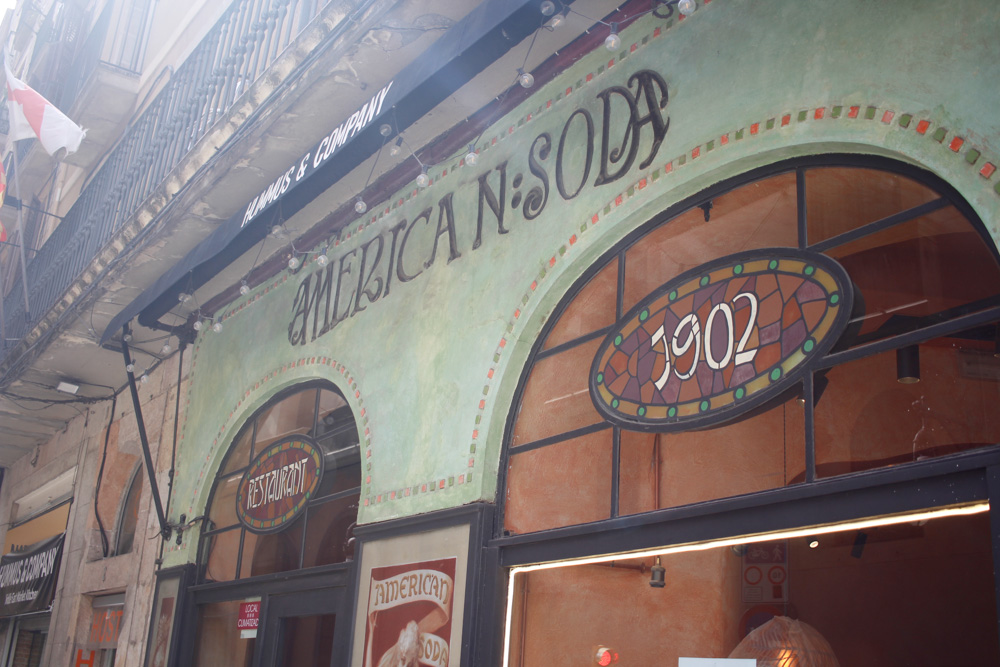
It is a pleasure to walk through the old quarters of Barcelona while observing the shop signs from over a century ago. These were created stroke by stroke by artisans during the fervor of the “Modernisme” era. In the early 1900s, while the Industrial Revolution pushed for mechanization, manual expression remained highly valued in Barcelona. The aesthetics of Art Nouveau, which emerged in Europe in the late 19th century, merged with the local context to evolve uniquely here. Both the organic curves in stained glass and the geometric lettering convey the era’s sensibilities and high level of craftsmanship.
The slight thickness of paint and traces of brushwork, which digital fonts cannot replicate, continue to be restored and reproduced as part of the city’s identity. However, in the letters neatly refined by modern technology, one cannot feel the spontaneous fluctuations or the unwavering strength of the lines that the artisans of the past poured into every stroke. The more perfectly a sign is restored, the more the irreproducible fervor held by the craftsmen of that time was felt.
バルセロナの旧市街では、100年以上前の看板を見ながら歩くのが楽しい。それらは「モダニズモ」期の熱狂の中で、職人たちが一筆ずつ描いたものだ。1900年代初頭、産業革命による機械化が進む一方で、バルセロナでは職人の「手」による表現が重用された。19世紀末に欧州で興ったアール・ヌーヴォーの様式は、この地独自の文脈と混ざり合い、独自の進化を遂げた。ステンドグラスに見られる有機的な曲線も、幾何学的なレタリングも、当時の美意識や高い技術を今に伝えている。
デジタルフォントでは再現できないペンキの僅かな厚みや筆致の跡は、今も街のアイデンティティとして修復され、再現され続けている。しかし、現代の技術で綺麗に整えられた文字には、かつての職人が一筆に込めた即興的なゆらぎや、迷いのない線の強さを感じられない。完璧に復元された看板を見るほどに、当時の職人たちが持っていた、再現不可能な熱量が際立って感じられた。