Day325: Tanger “The Geometry of Zellij”
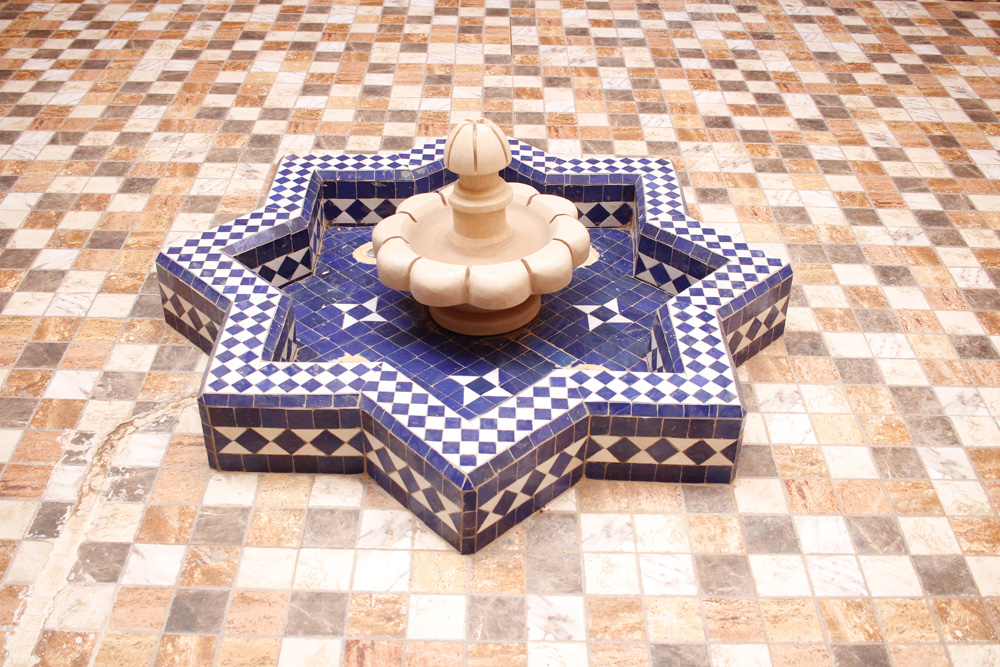
Crossing the Strait of Gibraltar by boat, I journeyed from Spain onto the African continent, arriving in Morocco. The Islamic geometric tradition known as the arabesque spans a vast array of mediums here, including tile, woodwork, and metalwork. It would be a missed opportunity to condense such immense diversity into a single post, so while I am here in Morocco, I plan to break this exploration down into several entries, categorized by material. To begin this series, I want to focus on the traditional tiles that adorn the walls and floors.
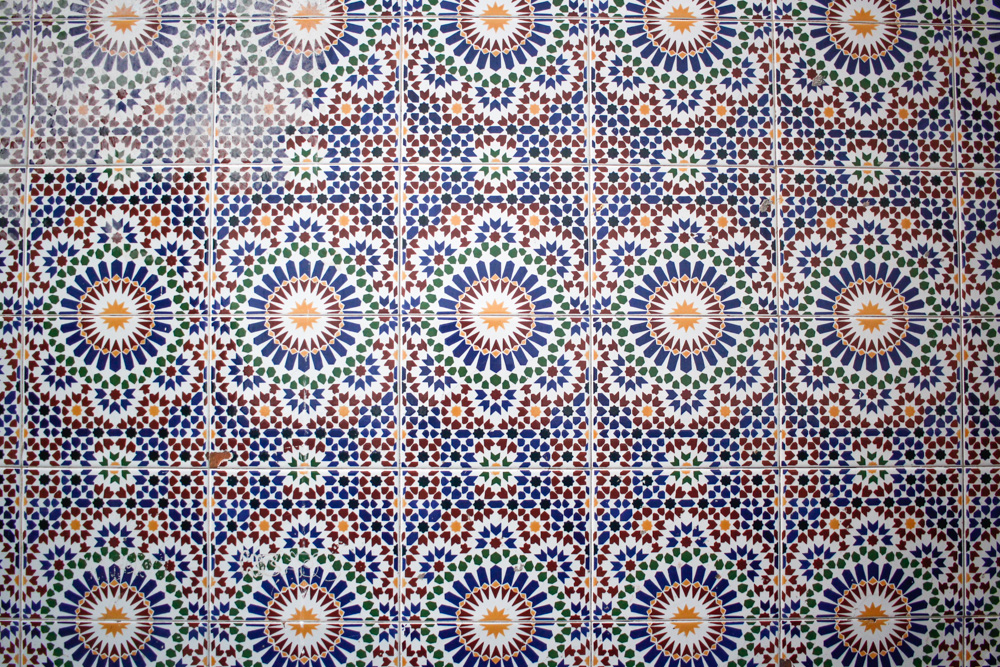
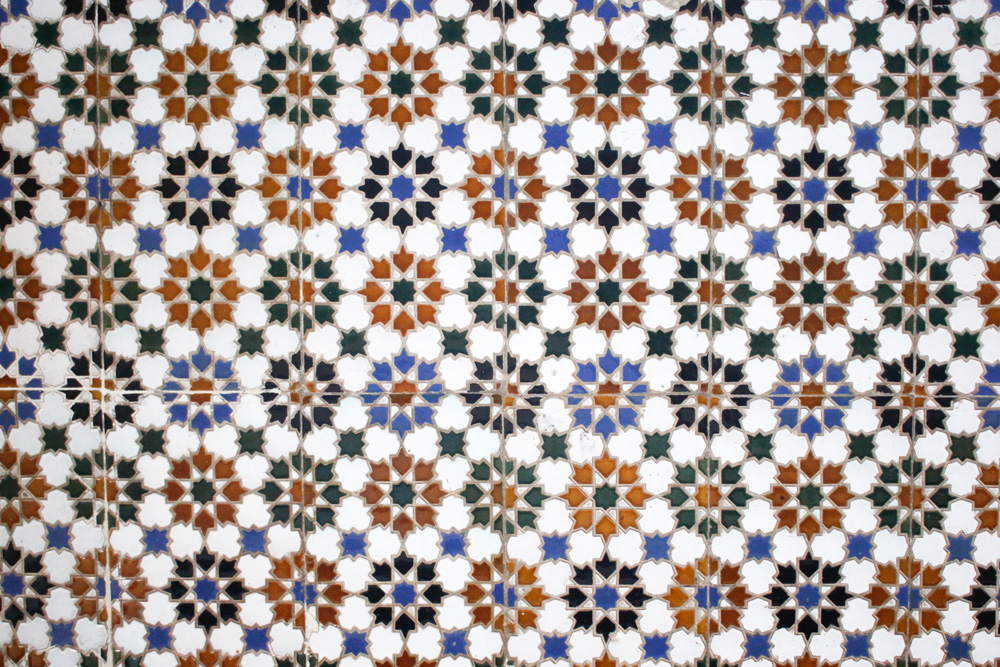
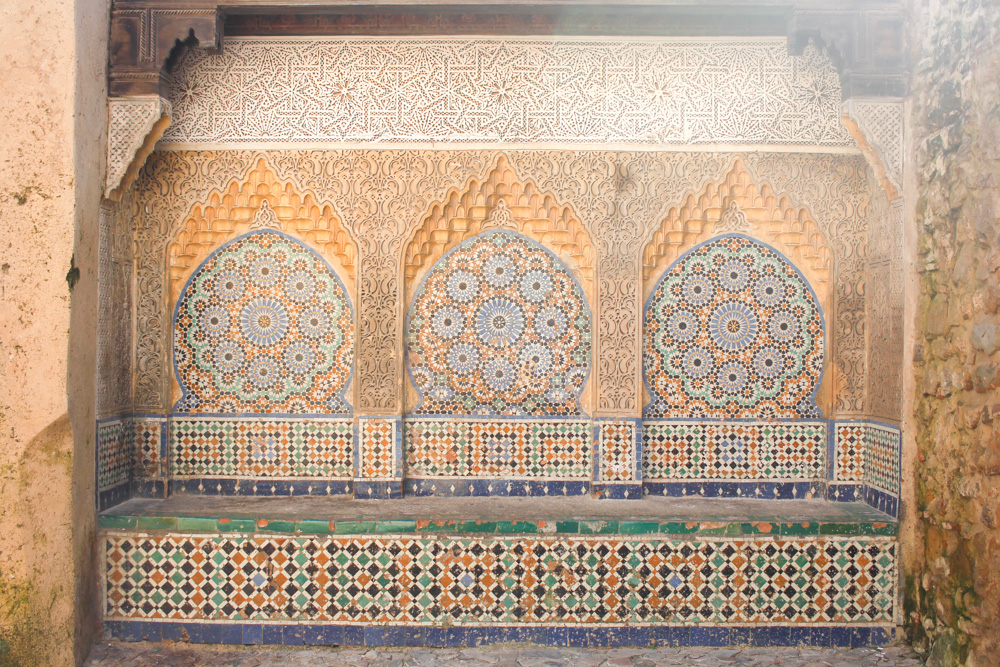
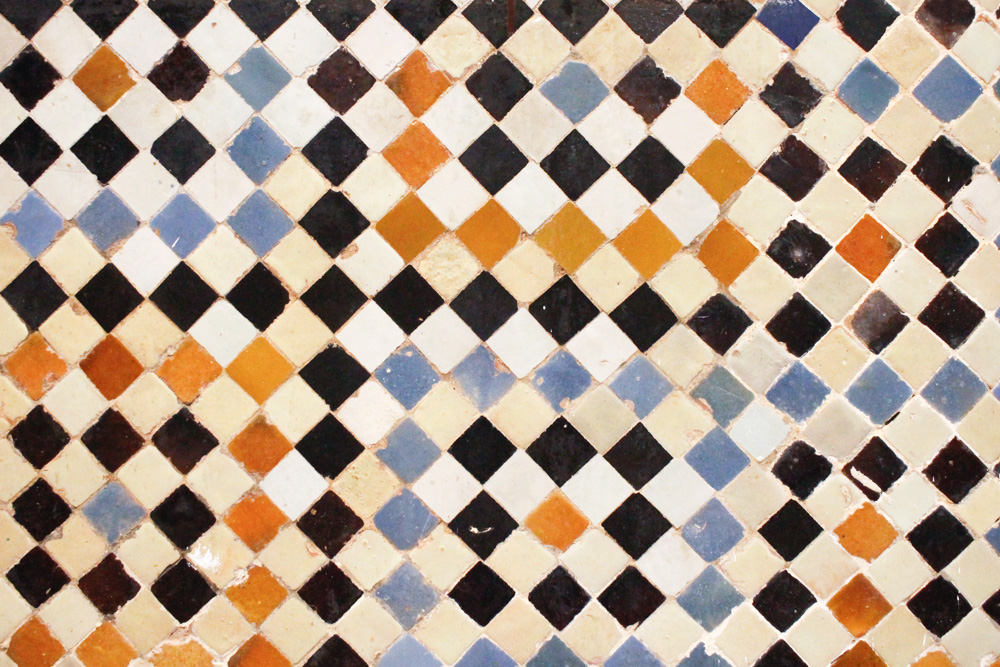
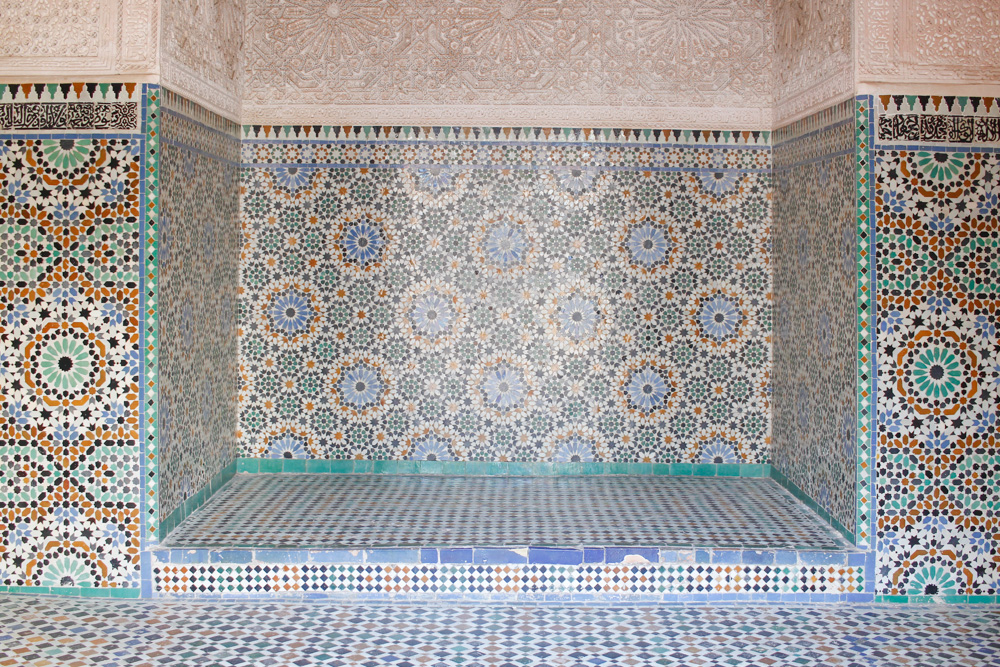
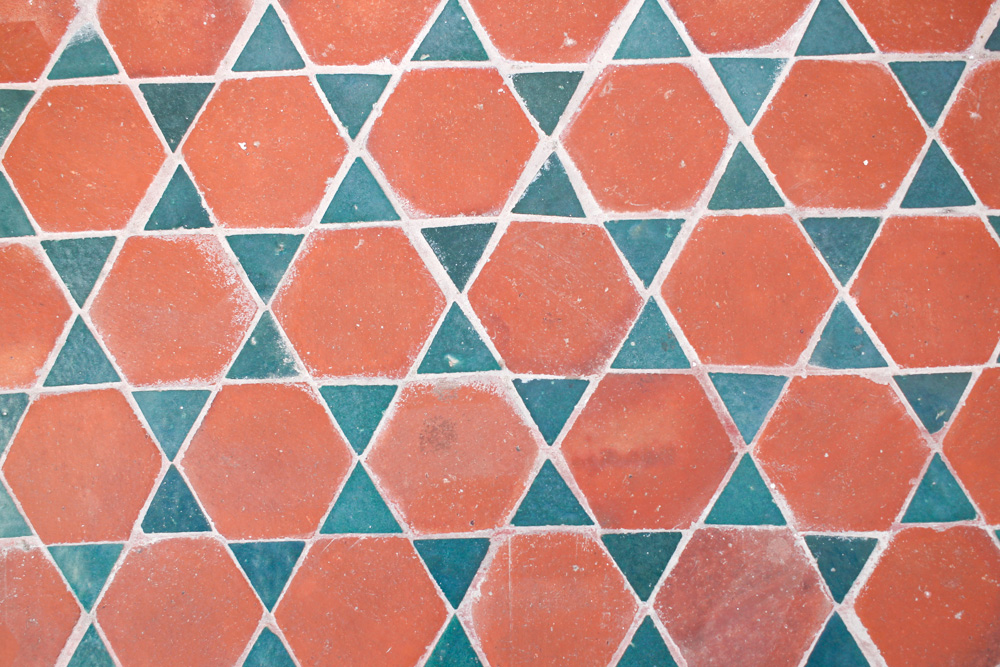
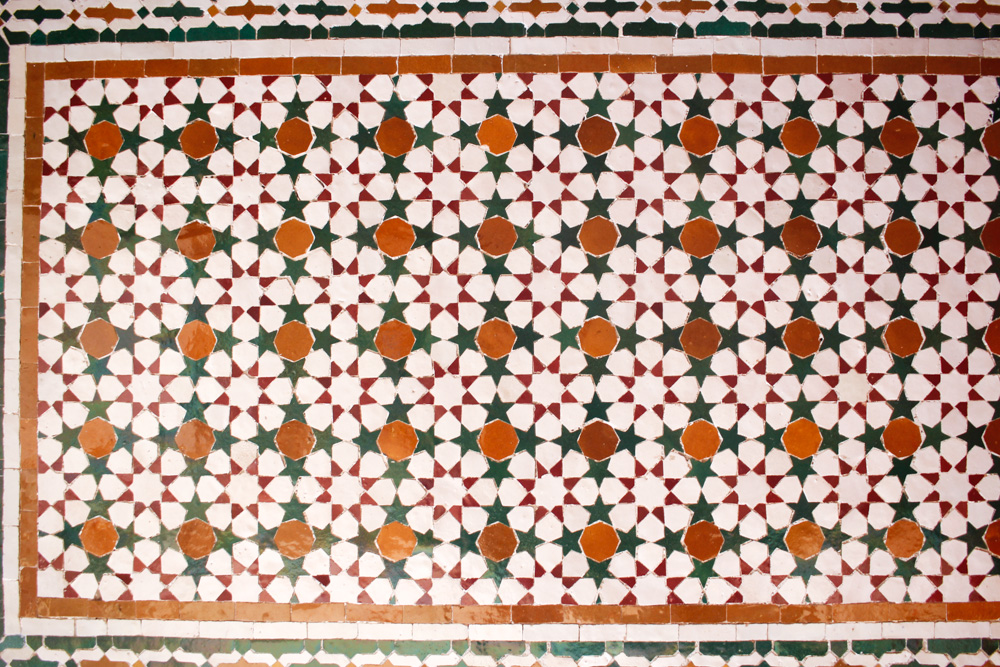
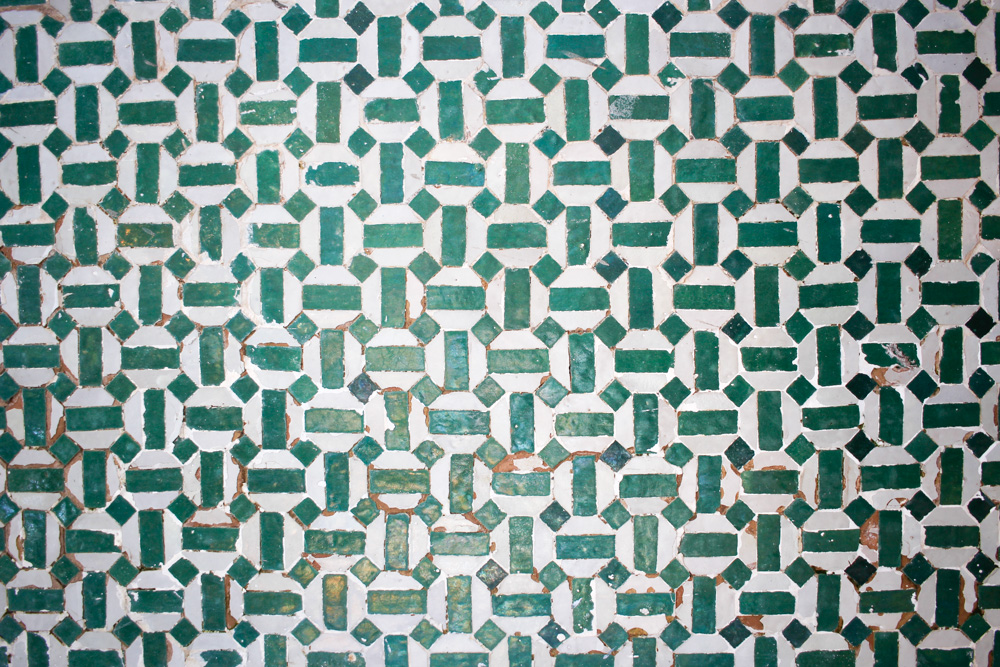
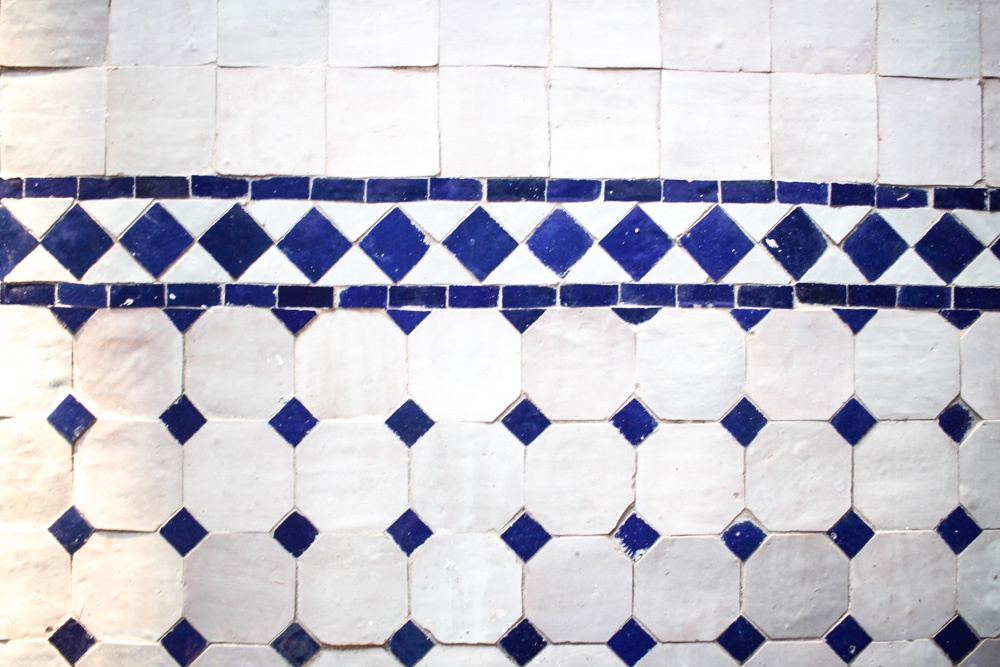
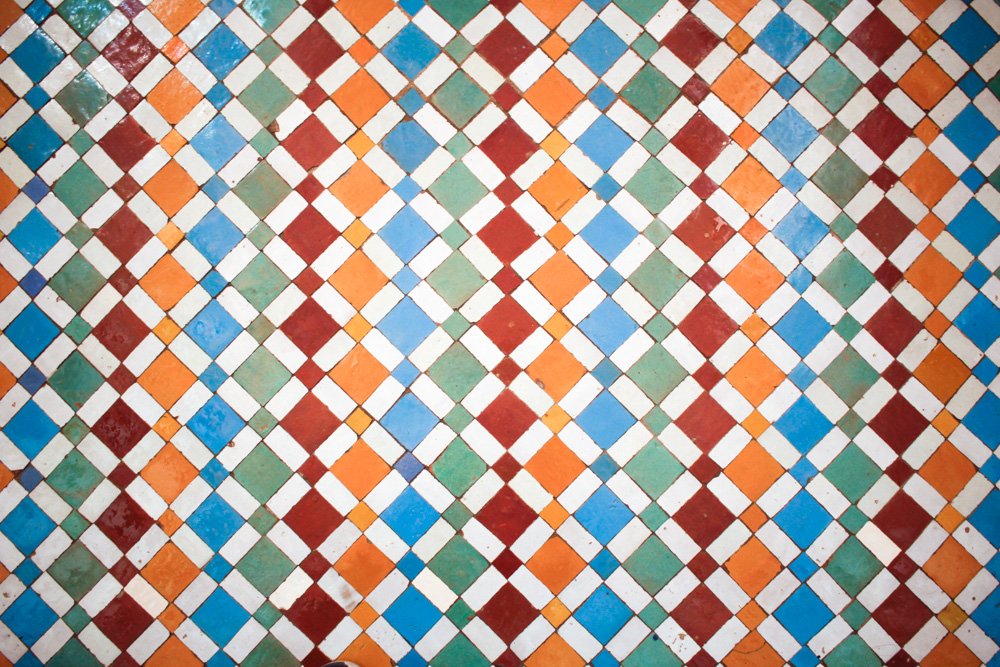
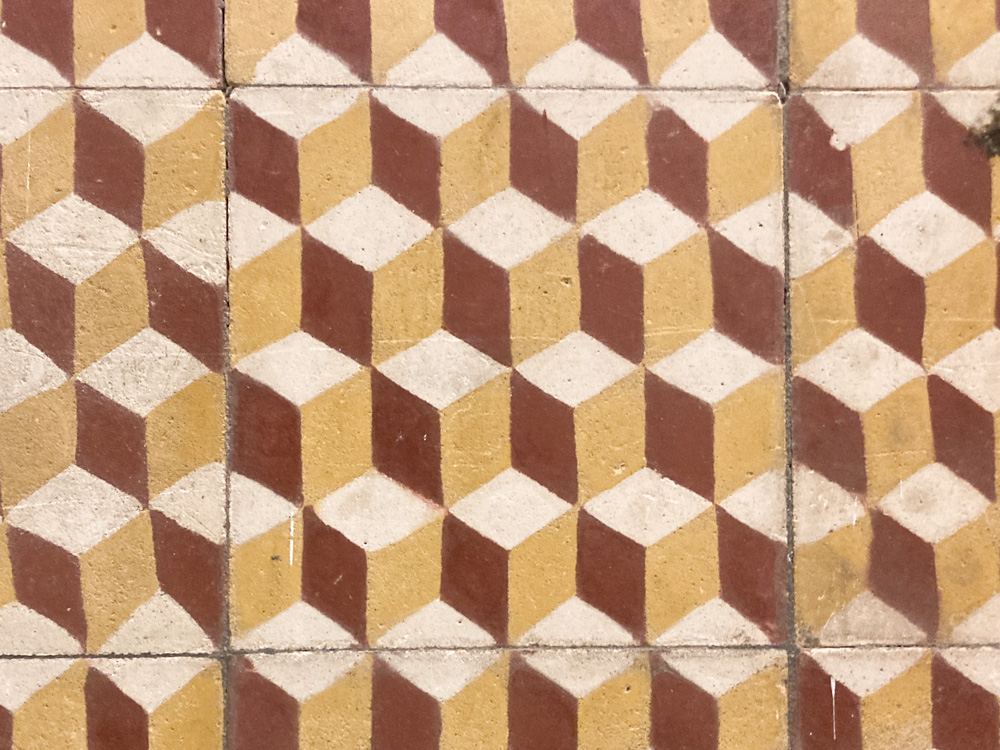
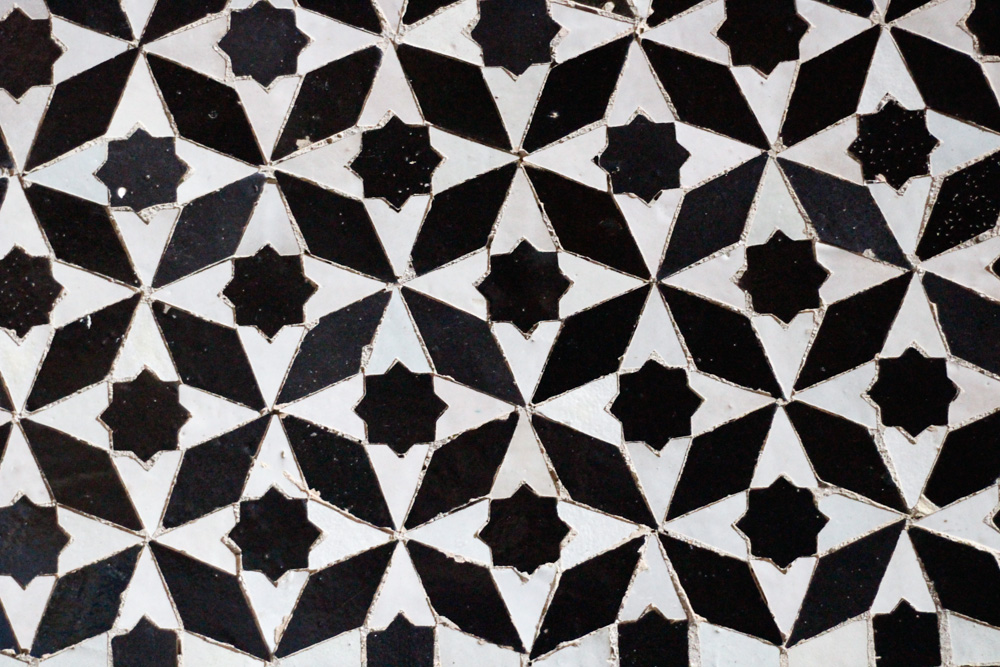
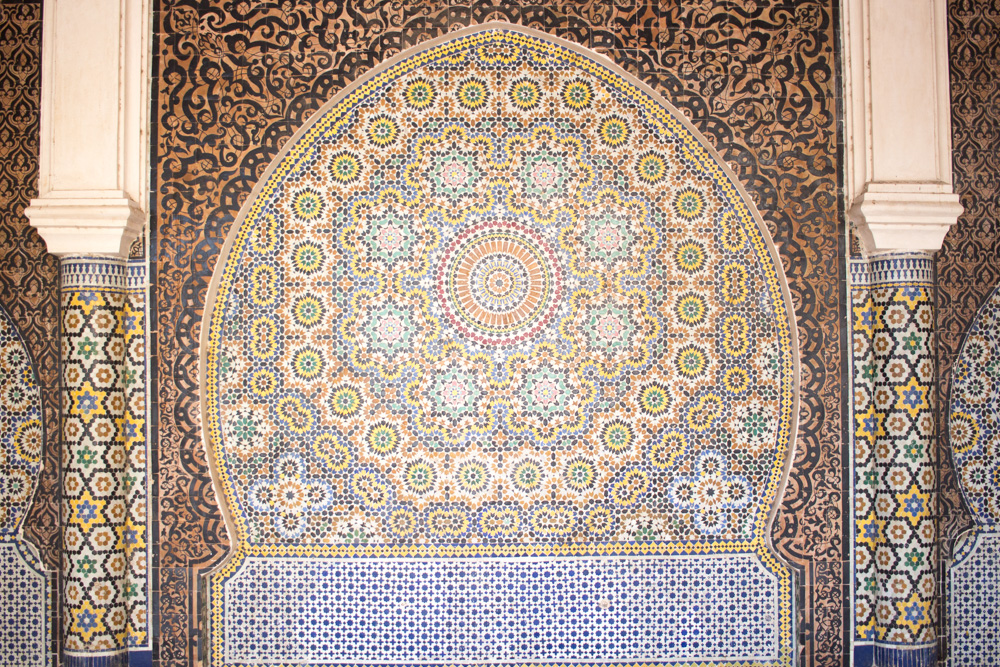
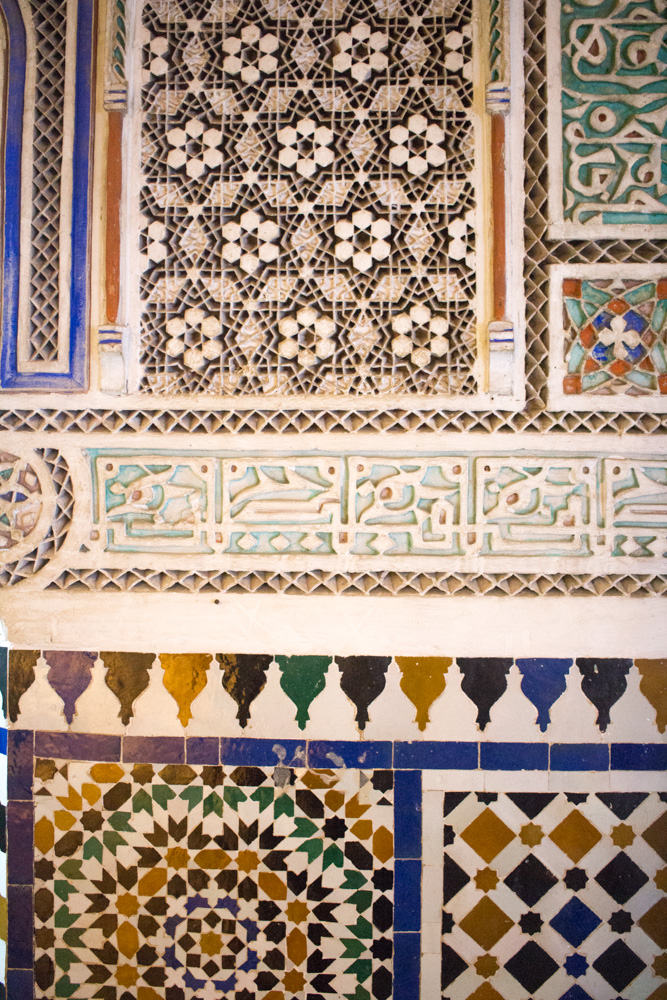
The methods behind these tiles are remarkably diverse. Some feature intricate patterns painted directly onto the surface with vibrant glazes. Others are created through a mind-boggling mosaic process known as Zellij, where fired terracotta is hand-chipped with a chisel into precise stars and polygons, interlocking them like a puzzle. There are even instances where unglazed terracotta or plaster is deeply carved to generate sharp, sculptural shadows—showcasing the endless variations crafted by these artisans to materialize these complex patterns. Notably, this Islamic tile art later crossed the sea, becoming the historical origin of the famous Portuguese tile culture known as Azulejo.
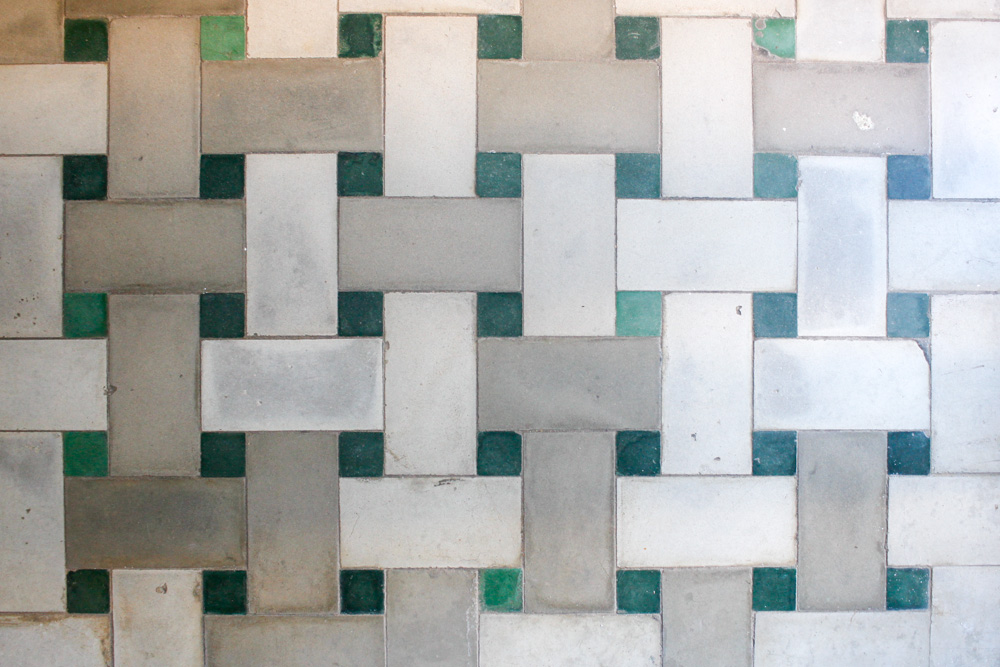
No matter how closely you inspect the surfaces, the alignment of the grids and the layers of color remain absolute. Here lies the ultimate expression of abstract art, birthed by a culture that chose not to rely on figurative imagery.
ジブラルタル海峡を船で渡り、スペインからアフリカ大陸のモロッコにやってきた。イスラム教では生き物の姿をしたものを描いたり、崇拝したりすることがタブーとされてきた。そのため、人形のような具象的な民芸品はほとんど存在しない。その代わりに発達したのが、自然のモチーフを図案化し、無限の反復へと昇華させた美しいアラベスクのパターンだ。アラベスクは、タイル、建具、金工など多岐にわたって施されていて、その多様性をひとつの記事にまとめてしまうのはもったいないので、モロッコにいる間に素材ごとにいくつかに分けて紹介していこうと思う。まずは、壁や床を彩る伝統的なタイルから始めてみたい。
タイルと言っても、その表現は多彩で、色鮮やかな釉薬(ペイント)で直接模様を描き込んだものもあれば、焼き上がったタイルをタガネで星型や多角形に一本ずつ削り出し、それらをパズルのように噛み合わせる驚異的なモザイク(ゼリージュ)もある。さらには、素焼きのタイルや漆喰そのものを緻密に彫り込んで立体的な陰影を生み出す手法まで、職人たちはあらゆるアプローチでこの複雑なパターンを物質化している。ちなみに、このイスラムのタイル細工が後に海を渡り、Day322: Faro “Azulejo”で紹介したように、ポルトガルでアズレージョと呼ばれるタイル文化の起源となったことでも知られている。
どれだけ顔を近づけても狂いのない格子の連続、色彩のレイヤー。そこには、具象的な偶像を持たない文化がたどり着いた、抽象芸術の究極の形がある。