Day307: Amsterdam “Cubes”
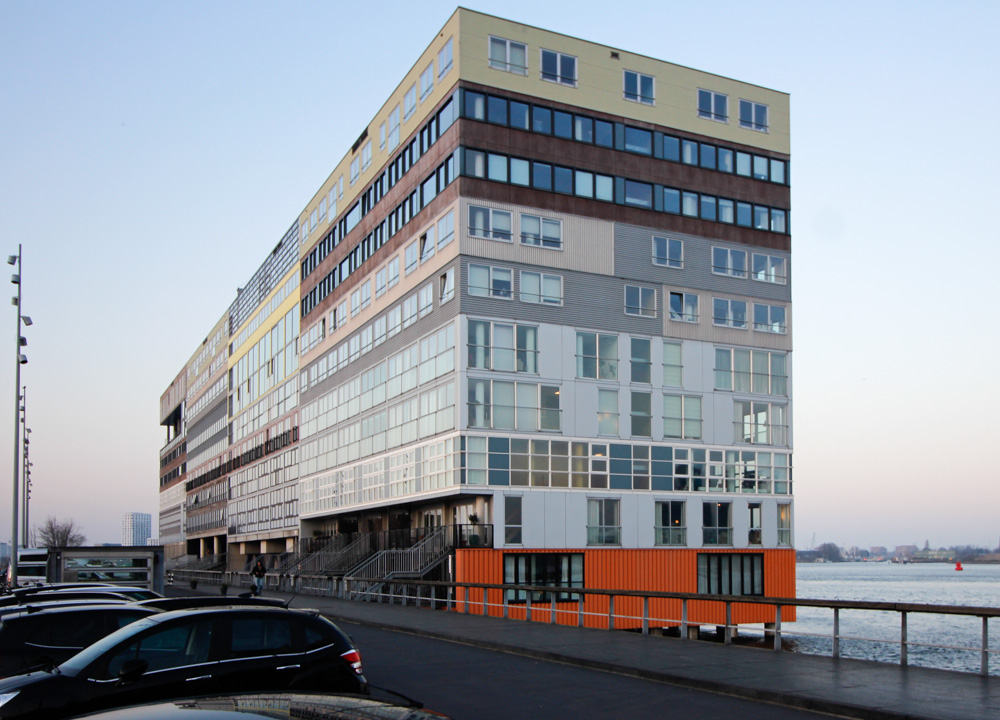
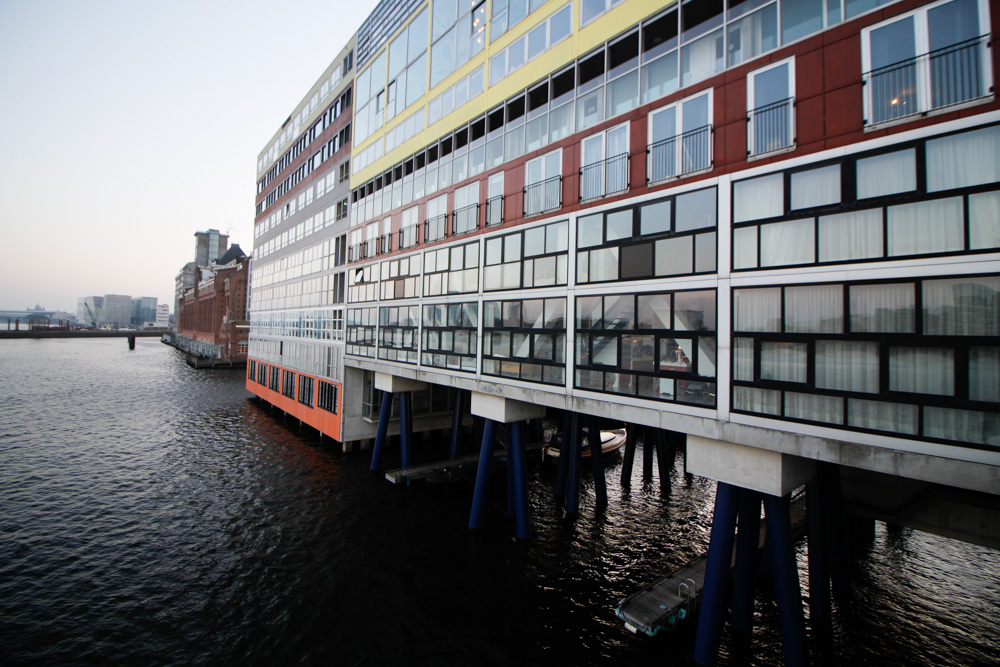
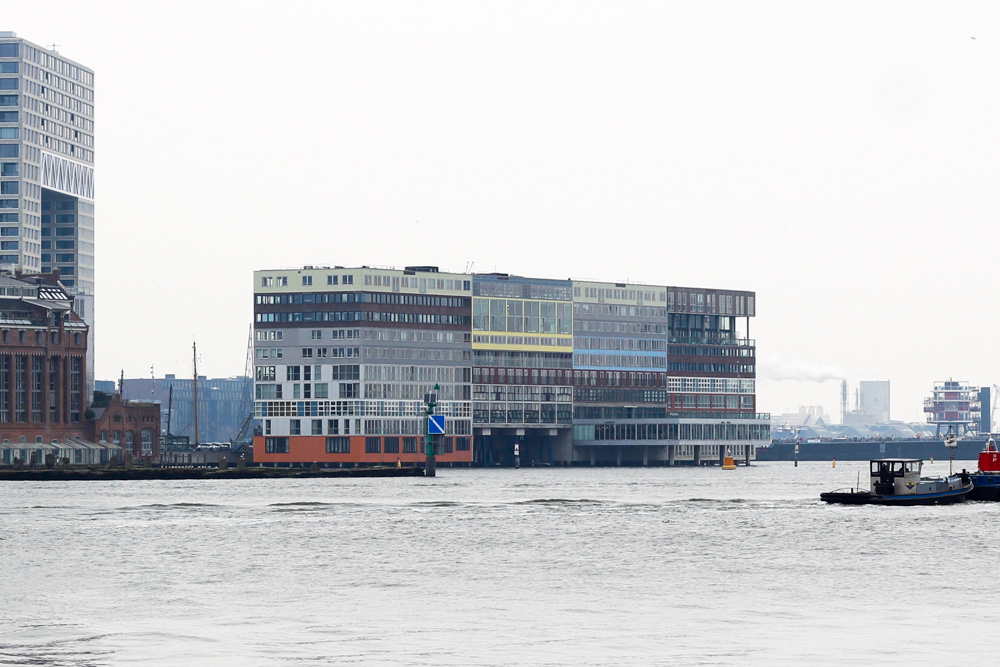
Amsterdam is a city closely tied to water. Canals run through the city, boats line their edges, and old brick buildings stand along both sides of the waterways. Within this traditional landscape, unexpectedly shaped buildings appear, blending into the cityscape. This time, I picked up an MVRDV project, but wherever I looked in Amsterdam, there were buildings with interesting forms. They may seem ordinary at first, yet parts jut out or sink in. Most are based on simple rectangular volumes, manipulated freely—pushed, shifted, carved out—to create spatial variation. It feels like the kind of architecture architecture students would be drawn to.
Many of these playful cube-like forms are residential buildings. Up close, large glass volumes boldly project outward, making everyday life fully visible from the outside. This is the kind of housing that likely wouldn’t sell—or even work—in Japan.
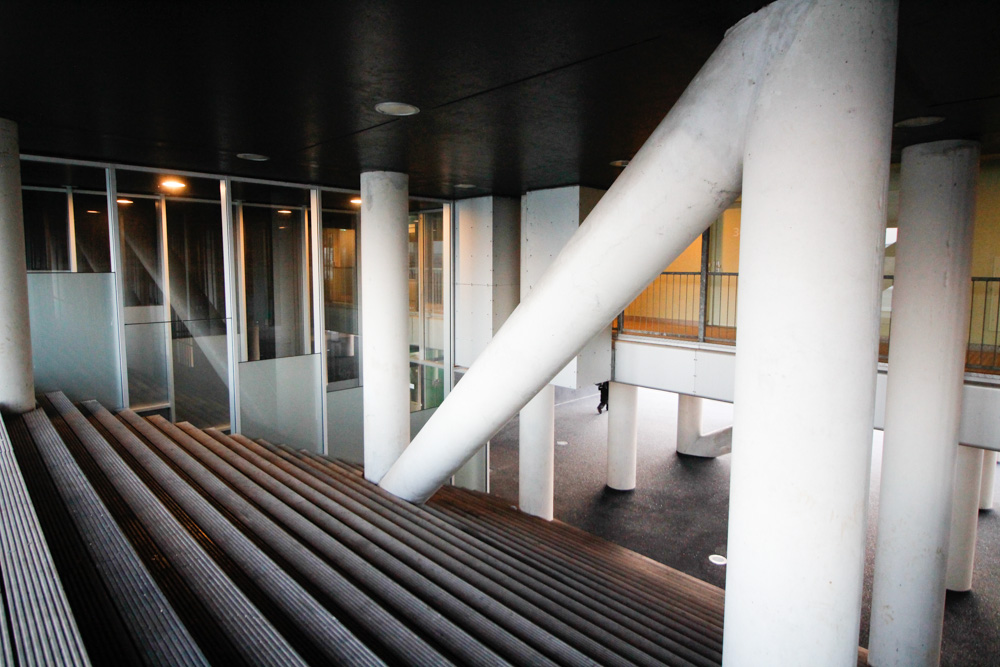
What struck me while walking through Dutch cities was how many apartment buildings have ground floors entirely glazed, with living rooms opened directly to the street. Building regulations may play a role, but it feels like this culture itself is what allows such architecture to exist.
アムステルダムは水に身近な街で、街の中を水路がいくつも通っていてボートが並び、その水路の両側に古いレンガ造りの建物が並ぶ。そしてそういう伝統的な街並みの中に突拍子もない形のビルが混ざり合い、街並みを作っている。今回、MVRDVの建築をピックアップしたが、アムステルダムはどこを見ても面白い形のビルが多かった。普通のビルだけど飛び出していたり、へこんでいたり。直方体をベースにして、飛び出す、ずらす、くり抜くなどの操作を自由に行って空間に変化をつけていて、建築学科の学生が好きそうだ。
矩形やキューブで遊んだような形は集合住宅などが多いのだが、見学してみるとガラス張りでドーンと飛び出していて生活が丸見えだった。この家は日本では売れない=成立しないだろう。
オランダの街を散策していて印象的だったのはアパートを入った一階がガラス張りで自宅のリビングが街に解放されている集合住宅が多かったことだ。建築基準法の違いもあるだろうが、そういう文化こそがこういう建物を成り立たせているのだと思った。