Day327: Chefchaouen “True Blue”
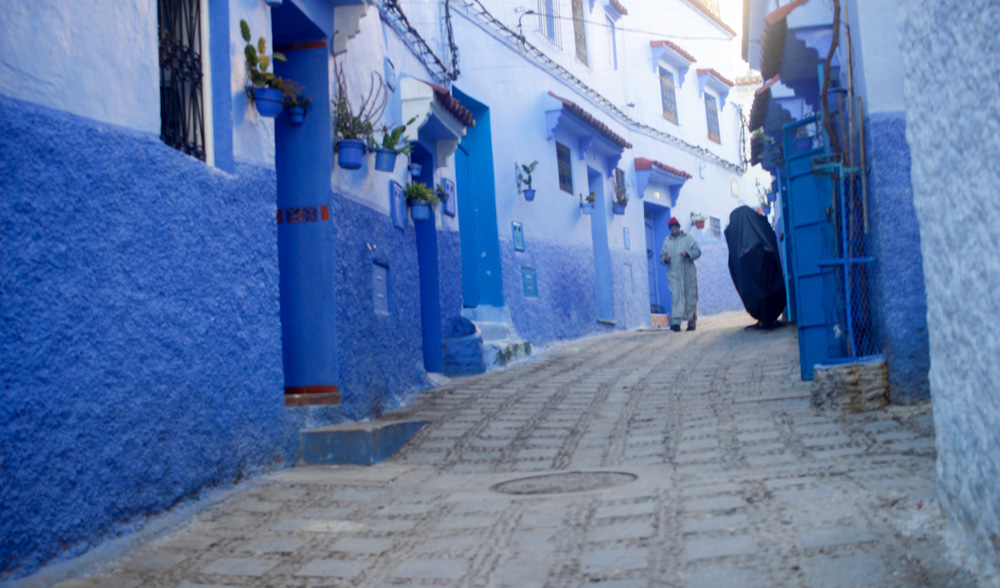
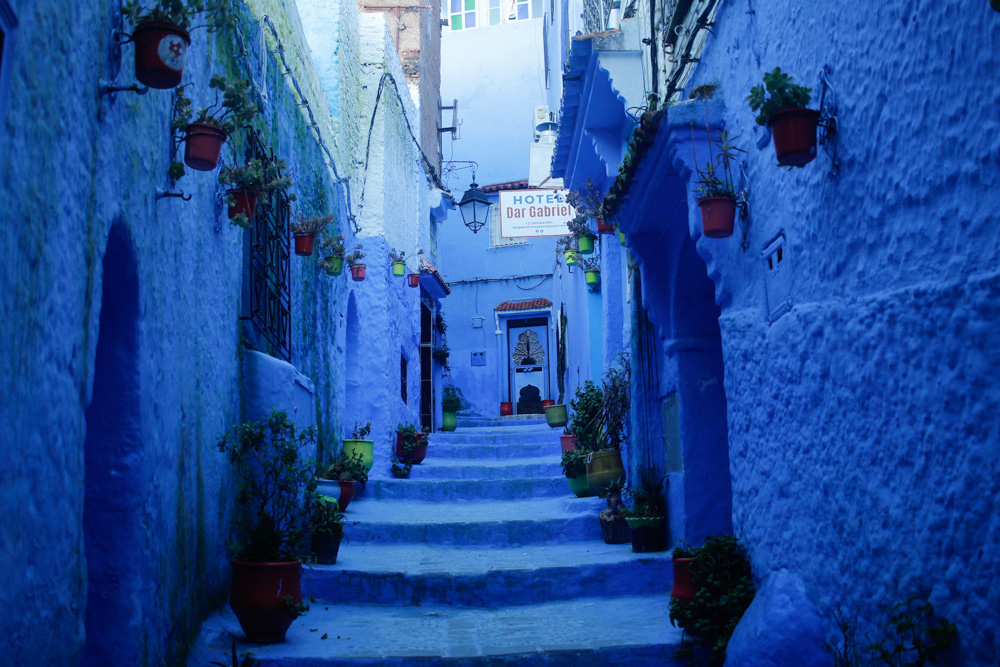
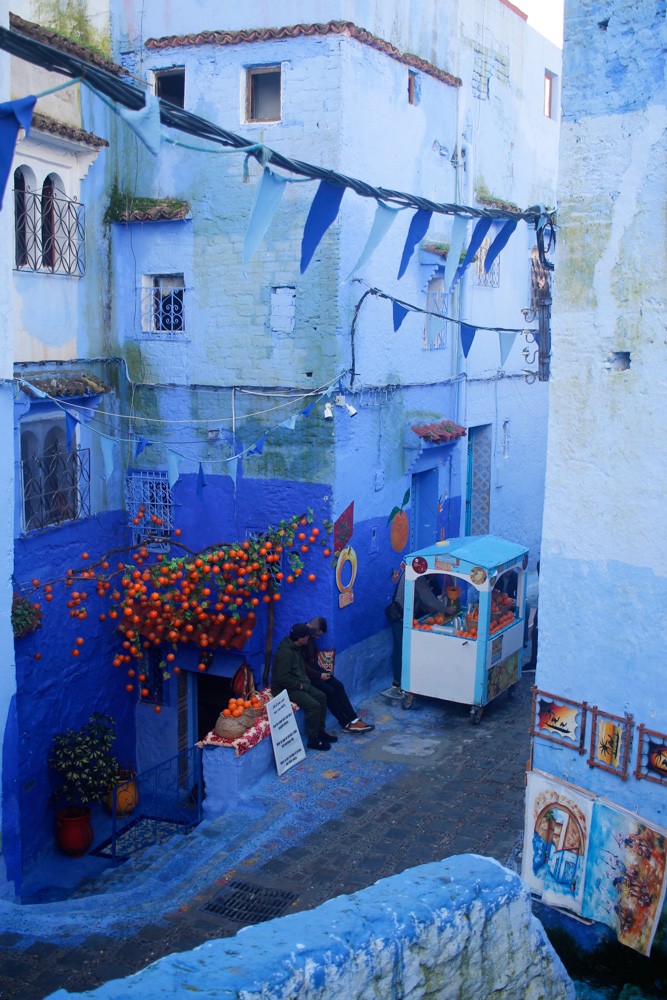
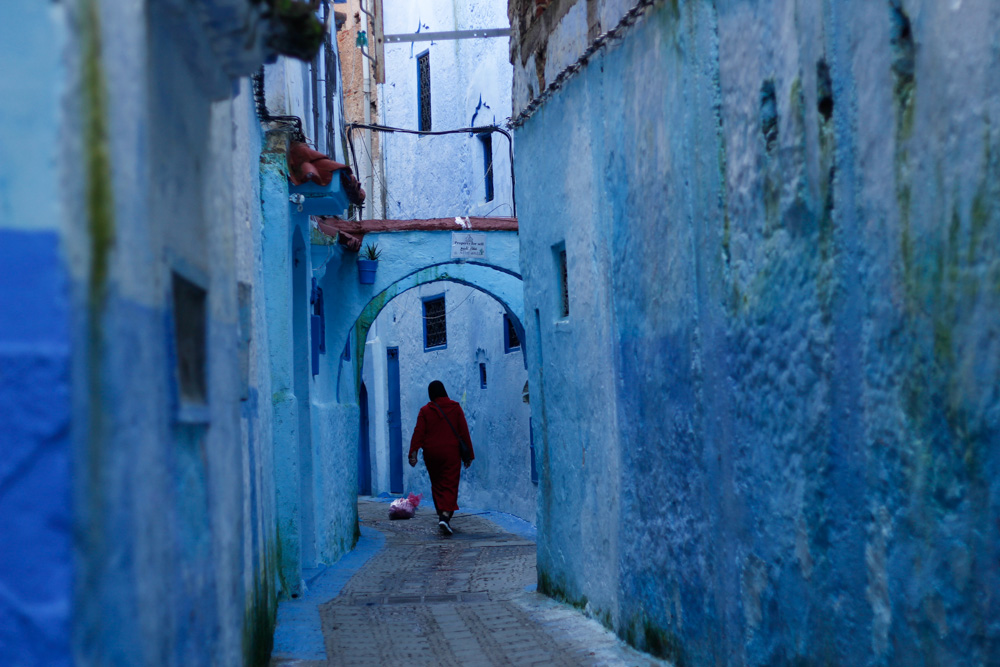
The town of Chefchaouen in Morocco has recently become very famous on social media as the “Blue City,” but still, what I want to introduce most are its blue-painted walls. The blue walls are coated with lime mixed with blue pigment. Because they are repainted regularly, the surfaces gradually become more rounded over time. That softness changes how light hits the buildings and how shadows fall, creating a scene that feels almost like something out of a picture book. As for why the town is blue, one widely accepted theory is that Jewish refugees who fled from Spain painted the walls blue as a sacred color. There were also practical reasons: blue was believed to repel insects because it resembles water, and it may also have helped reduce the heat trapped in the narrow alleys. Its beauty gained attention, and eventually areas beyond the Jewish quarter were painted blue as well, forming the town’s identity.
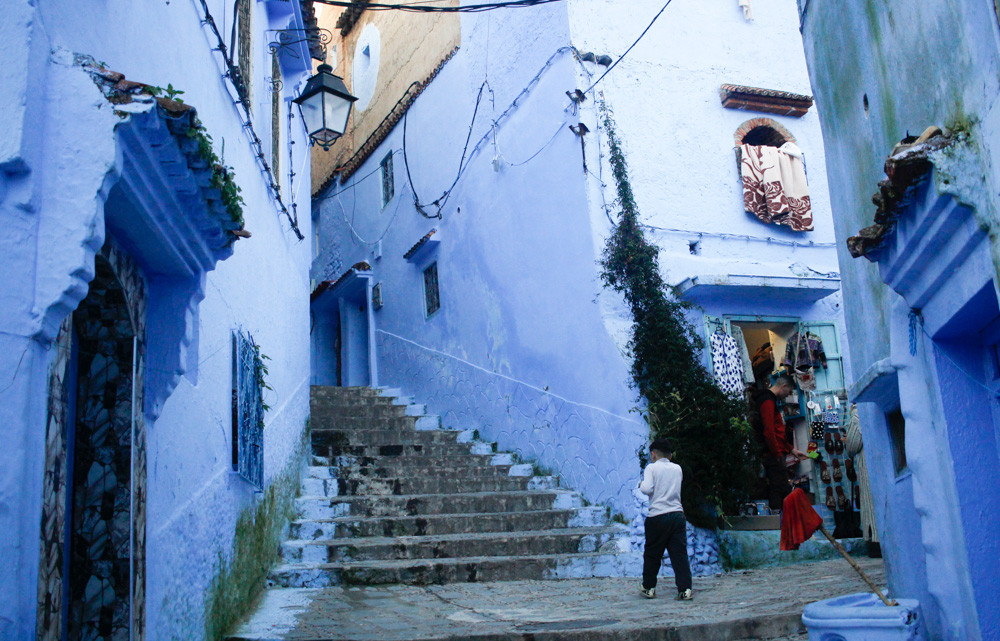
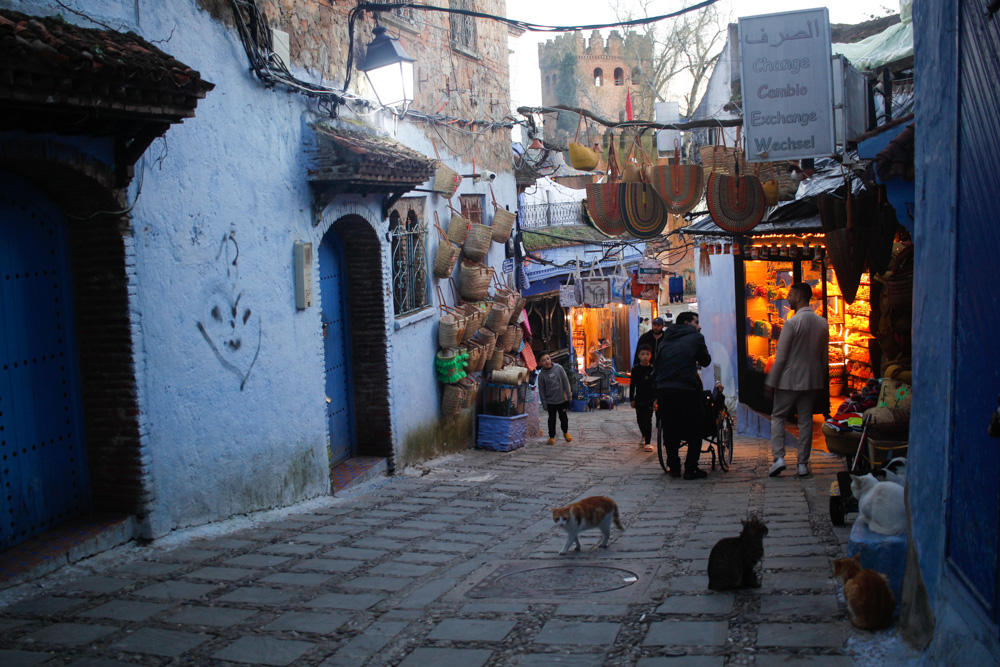
Around the world there are many places that paint their streets in bright colors to attract tourists. In Chefchaouen too, visitors with cameras wander everywhere, and souvenir shops spill their goods into the streets, so you can clearly feel the side of the “blue city” created for tourism. The blue itself is not always beautiful either — some walls are dirty, peeling, or uneven in tone. Yet despite that, the town still feels deeply appealing. I think that is because of the strong faith of the local people. Right now it is Ramadan. For about a month, Muslims refrain from not only food but even water from sunrise to sunset. When the sun goes down, many shops close as people gather to eat, and after a while the town comes alive again, with restaurants staying open late into the night. Then every morning around 5:20 a.m., a loud broadcast from the mosques announces the approaching sunrise. I imagine this schedule must be difficult for people working in restaurants, but for them it is simply the rhythm of life. In Japan, even the once-a-year temple bells on New Year’s Eve are gradually disappearing. The world truly contains many different ways of living and many different values, and each of them is genuinely fascinating.
モロッコのシャウエンという街は青の街としてSNS映えするため、今かなり有名になっているが、やっぱりシャウエンは青く塗られた壁を紹介したい。青い壁は石灰に青の顔料を混ぜたもので塗っており、定期的に塗り重ねていくことでどんどん丸みを帯びたフォルムとなっていくので、それがまた建物の光の当たり方、影の落ち方をやわらかくし、絵本の中のような世界を演出している。なぜ青かというとスペインから逃れてきたユダヤ教徒が神聖な色として青く塗っていたのが紀元という説が有力だとのことだ。実用的な面もあり、青は水に見えるため虫が嫌うと信じられており、虫除け、あるいは狭い路地に熱がこもるのを防ぐものとして使われた。その美しさが評判を呼び、ユダヤ人地区以外も青くして街のアイデンティティをつくったそうだ。
あちらこちらの壁をカラフルに塗って観光客を誘致している街は世界を見渡すと他にもたくさんある。シャウエンでもカメラを持った観光客があちこち出歩き、たくさんのお土産屋さんが通りに商品を出していて、客寄せのために作られた青の街の側面もかなり感じる。青も汚かったり、剥がれていたり、濃さがまちまちだったり、そのものだけが美しいわけでもない。しかし、それでもこの町は魅力に感じるのは、篤い信仰心を持つ地元の人たちがいるからだと思う。今、ラマダンという時期で、約1か月の間、ムスリムの方たちは日が上ってから沈むまで食べ物はおろか、水も口にしない生活をしていて、日が沈むと食事を一斉に取るため、日没前に多くのお店が閉店する。そしてしばらくすると開店し、夜遅くまで営業しているレストラン等も多い。そして毎朝日が上る1時間半くらい前(訪問当時は5時20分頃)から10分余り、モスクから大音量でもうすぐ夜明けだと知らせるお経のようなものが流れる。レストランで働く人にとっては辛いのではと思うが、生まれた時からそれを聞き、そういうリズムで生活しているのだろう。日本では年に一度の除夜の鐘すらなくなりつつあるというのに。世界には本当に多様な暮らし方、価値観があり、それぞれが本当に魅力的だ。