Day322: Faro “Azulejo”
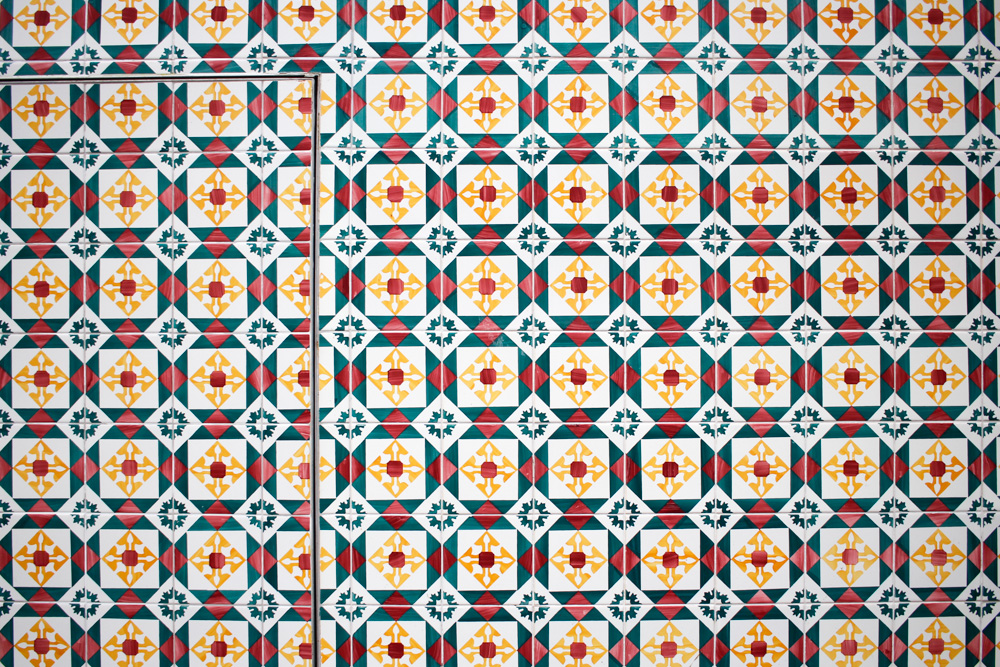
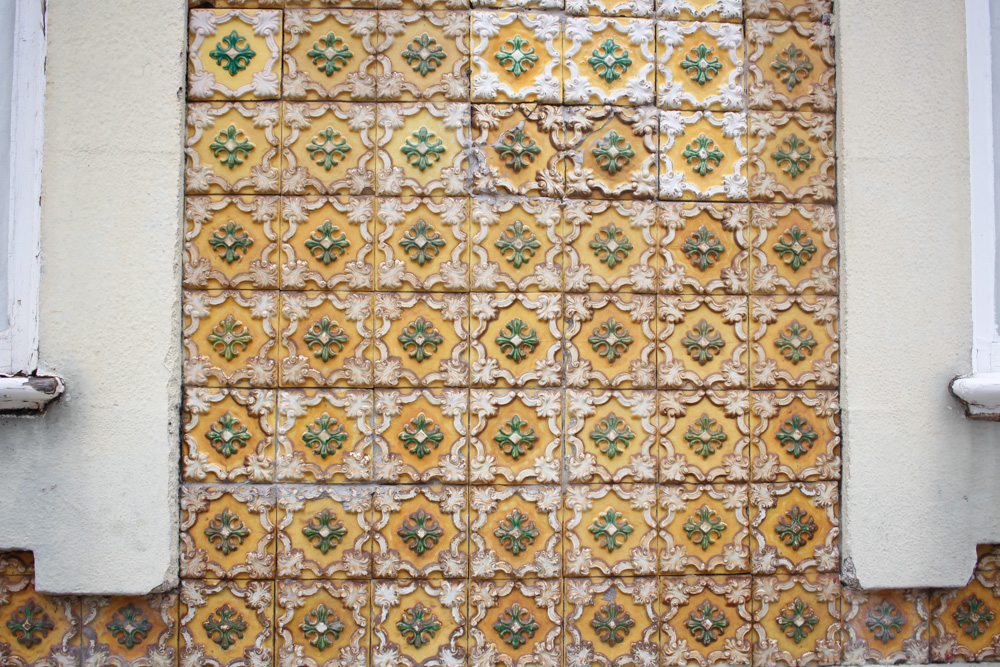
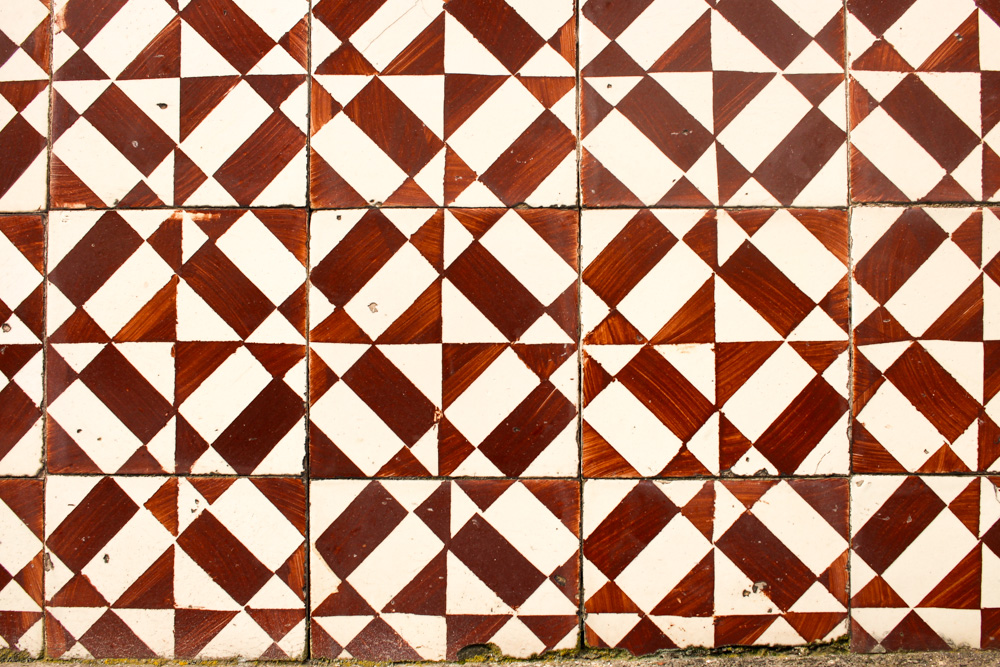
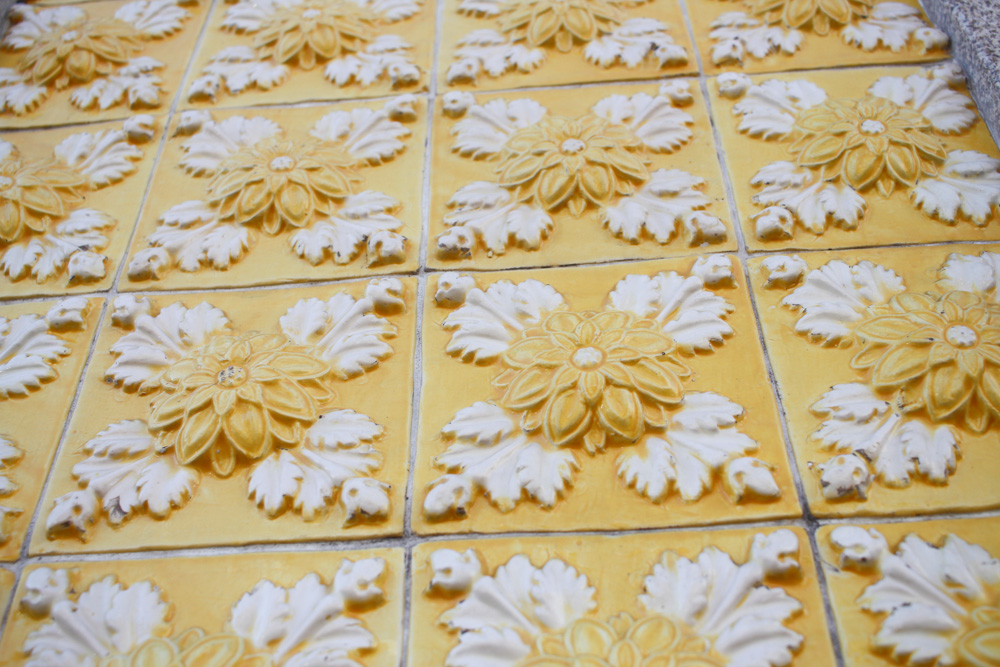
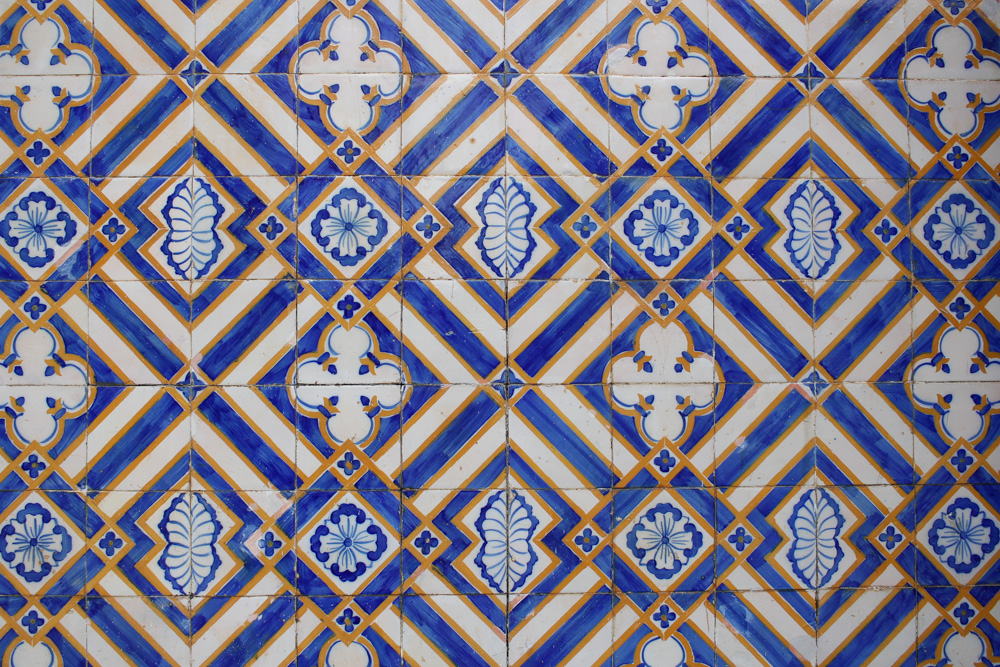
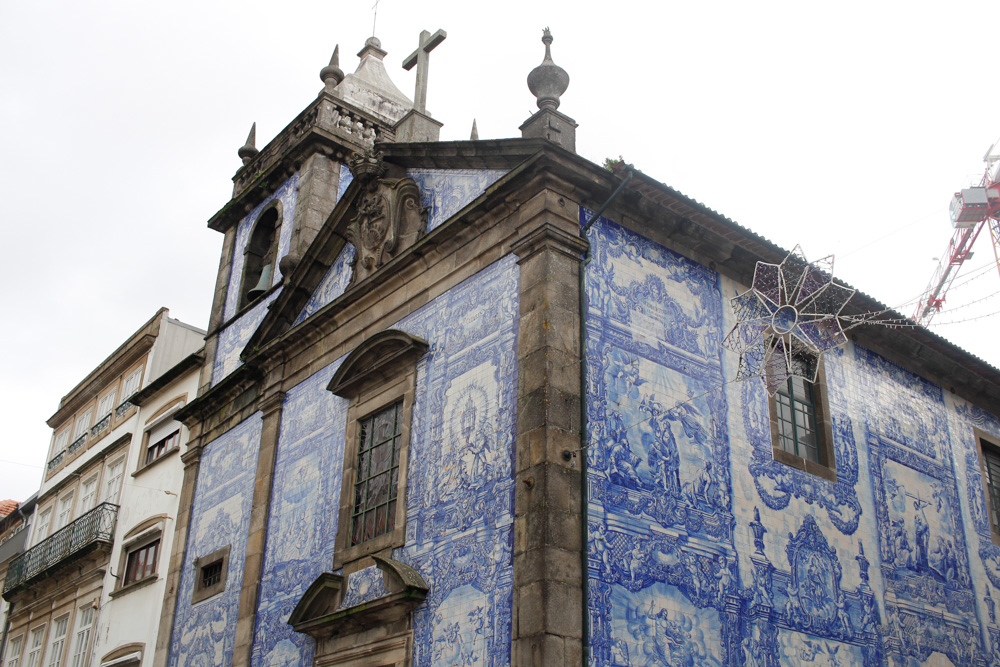
In Portugal, hand-crafted tiles define the character of the buildings. These are called “Azulejos,” a term derived from the Arabic word “al-zulayj,” meaning “polished stone.” The tradition dates back to the 14th century, brought from North Africa by the Moors, but it evolved uniquely in Portugal. In addition to the traditional geometric patterns of Islamic art, which avoids the depiction of living beings, Portuguese azulejos began to incorporate figurative motifs such as plants, animals, and historical scenes following the Age of Discovery. A key characteristic is how they expanded their role from simple decoration to a medium for storytelling on architectural surfaces. Even when adjacent buildings feature entirely different patterns, they remain in harmony, likely due to the shared design code of geometry at their core. These patterns continue to be applied to modern graphic design and packaging, serving as a defining aesthetic of the country. For those who find the ornamentation too intense, simpler tiles are also an option, and this breadth of choice adds depth to the cityscape. To an outsider, the continuous display of diverse patterns is a visual pleasure at every turn.
ポルトガルでは、手作りのタイルの模様が建物の表情を決める大きな要素になっている。これらは「アズレージョ」と呼ばれ、語源はアラビア語で「磨かれた石」を意味する「アル・ズライジュ(al-zulayj)」に由来する。もともとは14世紀頃に北アフリカのムーア人から伝来した文化だが、ポルトガルでは独自の進化を遂げた。偶像崇拝を禁じるイスラムの伝統的な幾何学文様に加え、大航海時代の到来とともに、植物や動物、あるいは歴史的な場面を描く具象的なモチーフが取り入れられるようになった。単なる装飾から、壁面を使って物語を伝える媒体へと役割を広げた点に特徴がある。隣り合う建物が全く異なる模様であっても不思議と調和して見えるのは、根底に幾何学という共通のデザインコードがあるからだろう。これらのパターンは現在もグラフィックデザインやパッケージに応用され、この国を象徴する意匠として定着している。装飾が過剰に感じるならシンプルなタイルの選択肢もあり、その幅の広さが街の風景に奥行きを与えている。外から来た者にとって、この多様な文様の連続は、歩くたびに視覚を楽しませてくれる。