Day323: Sevilla “Street Infographics”
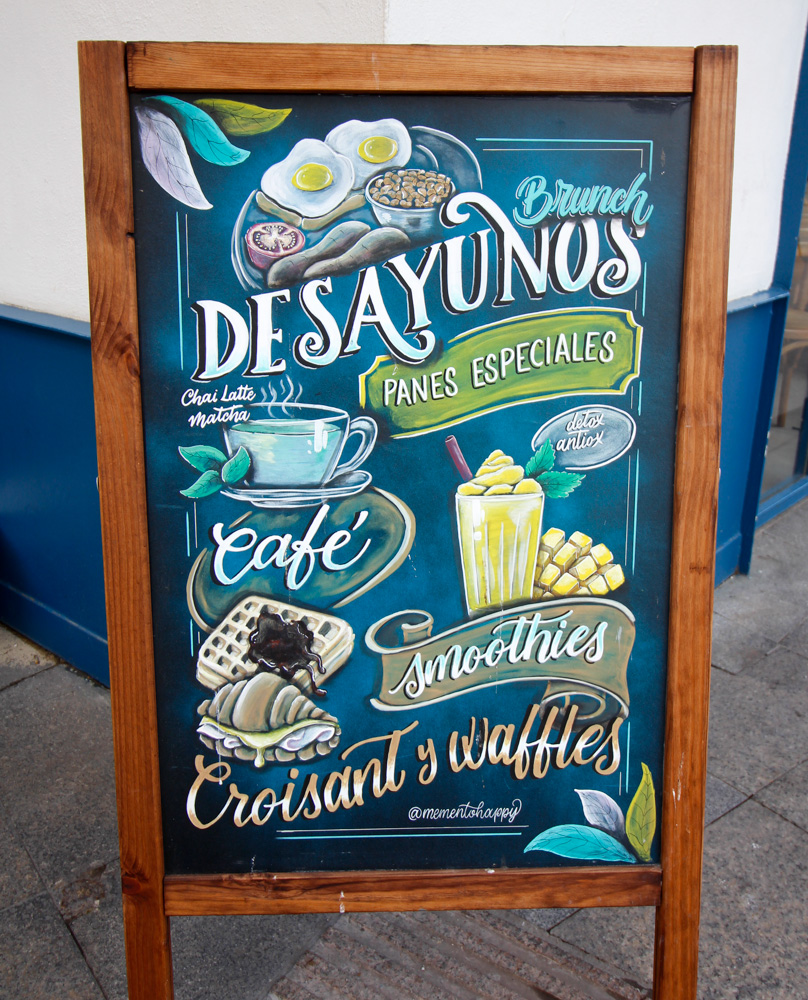
In the heart of Seville’s old quarter, a wooden chalkboard menu catches my eye. The 3D depth given to the word “DESAYUNOS” and the lively illustrations of sunny-side-up eggs melt into the streetscape. On European streets, these chalkboards carry a profound historical evolution. It seems it all began in an era of low literacy, when simply writing words was insufficient, prompting merchants to sketch realistic depictions of eggs or coffee cups to communicate with everyone at a glance. By the 19th century, following the Industrial Revolution, cafes and bistros proliferated, sparking a new competition for clientele. What began as a simple log of fares transformed into an outdoor advertisement to differentiate from neighboring rivals, evolving into a graphic culture of sophisticated lettering and illustration. Later, in an era saturated with digital signage, the unique texture and varying pressure of hand-drawn chalk came to serve a new purpose, wordlessly testifying to a shop’s artisanal pride and culinary integrity.
This region enforces strict historic preservation laws that forbid altering ancient building facades or erecting flashy signage. With means of promotion severely restricted, the timber chalkboard—permitted on the pavement only during business hours—functions as the sole legal medium to express identity without disrupting the historic aesthetic. Far from being a nostalgic relic, it remains the most active and viable system today, turning the entire street into a graphic exhibition. Engaging with a shop through the tactile warmth of human hands—rather than identical digital prints—reveals a living design culture that defines the sensory experience of this city.
セビージャの旧市街を歩いていると、カフェの前に置かれた木枠の黒板ボードに目が留まる。チョークで描かれた「DESAYUNOS(朝食)」の文字の立体的な陰影や、生き生きとした目玉焼きのイラストが、街の風景に溶け込んでいる。ヨーロッパの路上のチョークボードには、長い進化の歴史がある。かつて中世の識字率が低かった時代、ただ文字を記録するだけでは用をなさず、文字の読めない人々へ一目で情報を伝えるために「目玉焼き」や「コーヒー」の絵をリアルに描いたのが始まりらしい。それが19世紀、産業革命にともないカフェやビストロが急増し、顧客を獲得するための競争が始まる。単なる情報の記録だった黒板は、他店と差別化するための「路上の広告」へと変わり、レタリングやイラストの完成度を競い合うグラフィック文化へと化けていったのだ。その後、デジタルサイネージが溢れる現代になると、今度は手描きの掠れや筆圧が、既製品に頼らない店のプライドや料理へのこだわりを証明する役割を担うようになっていく。
この地には、歴史的な建物の外観を変更したり、派手な看板を掲げたりすることを一律に禁じる厳しい景観規制がある。店をアピールする手段が極限まで制限されるなか、営業時間内だけ路上に置くことが許される木枠の黒板は、美観を損なわずに店の個性を表現できる唯一の合法的なメディアなのだ。ノスタルジーではなく、今なお最も現役のシステムとして、路上全体がグラフィックの展覧会のようになっている。画一的な記号ではなく、人の手の温度を通じて店と対話する。そんな路上に開かれたデザイン文化の豊かさが、この国には今も当たり前のように溢れている。