Day310: Brussels “Textbook”
Victor Horta’s own house, now a museum, is registered as a World Heritage Site together with three of his other townhouses. As I wrote when visiting Casa Luis Barragán in Day70: Mexico City “Dream,” an architect’s own house reflects the designer’s philosophy most clearly, and it is the type of building I am most drawn to. In Europe, refined design is everywhere, and almost anything could be chosen for tocotoco. But when trying to select only what feels most impressive, my own perspective can easily disappear, and the experience starts to feel like visiting places already chosen by others—like tracing a textbook. Still, reading about architecture and actually seeing it, together with its surrounding context, are completely different experiences.
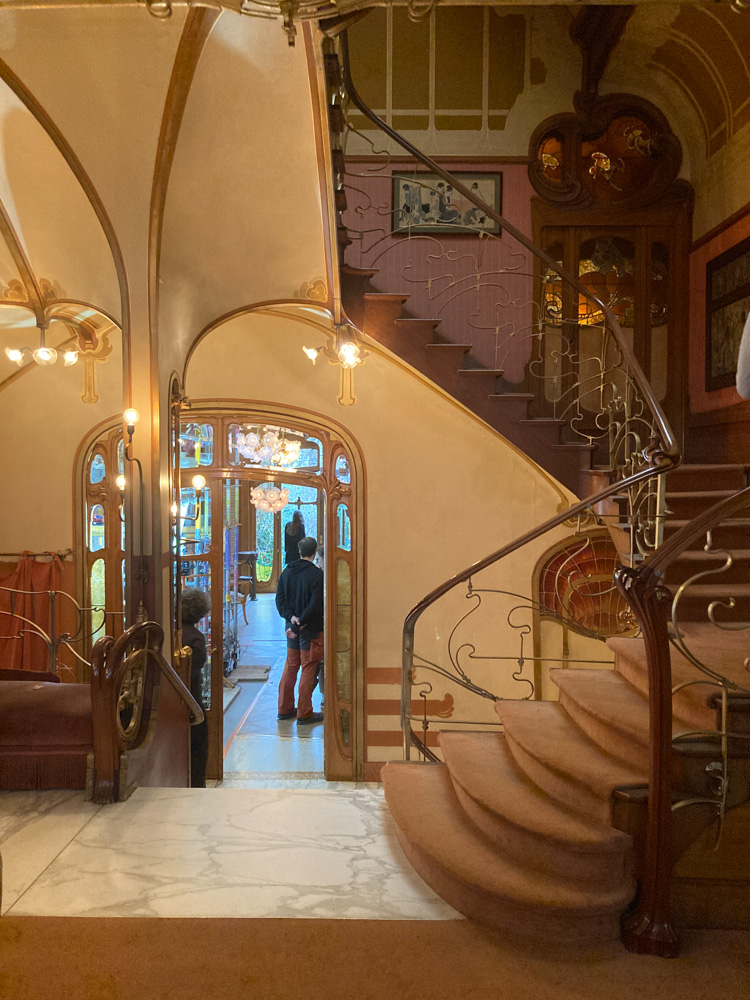
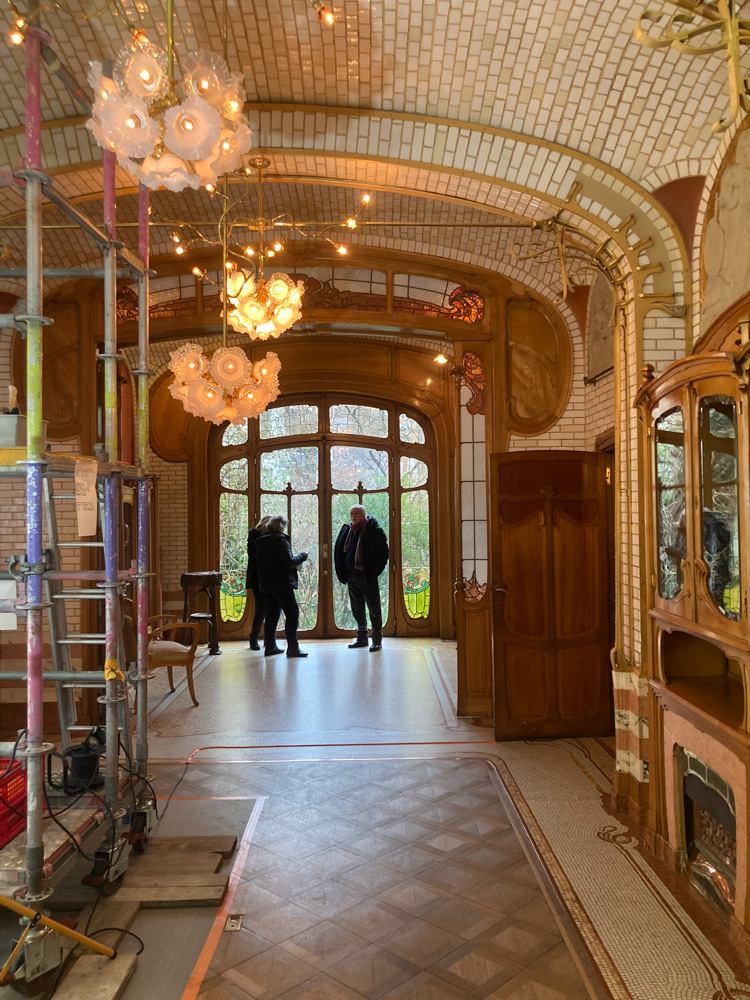
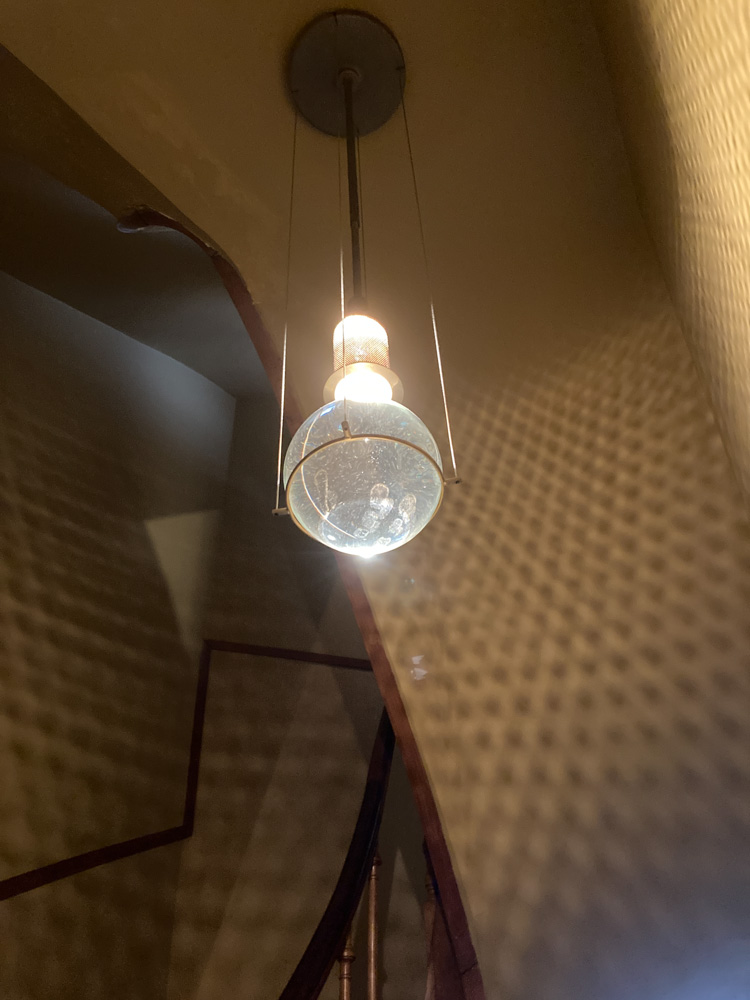
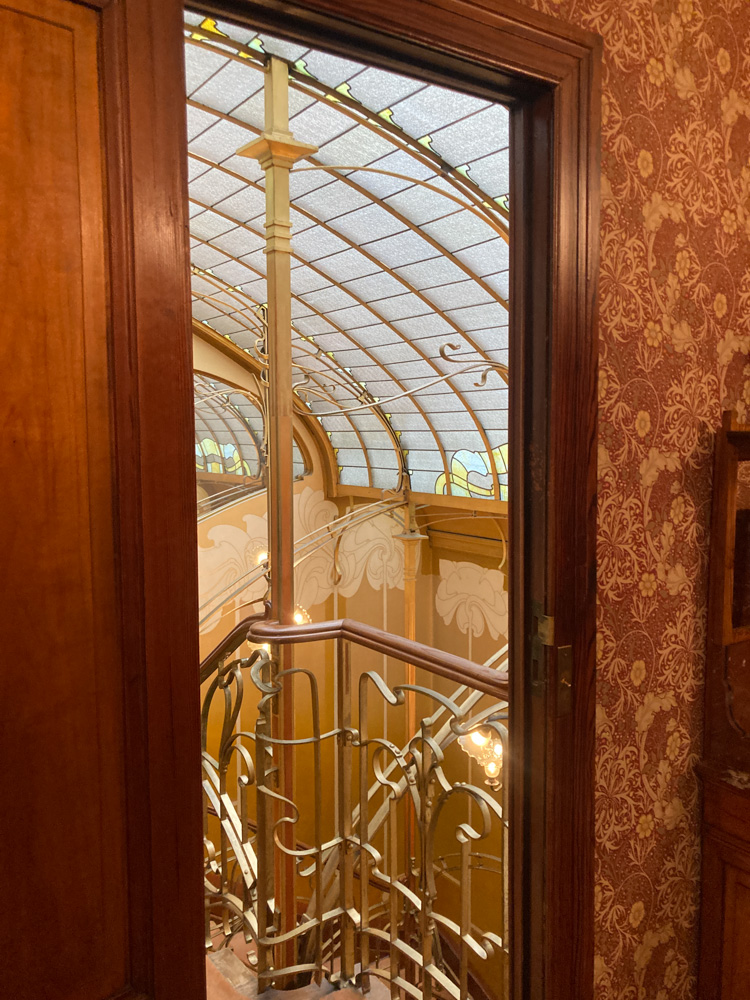
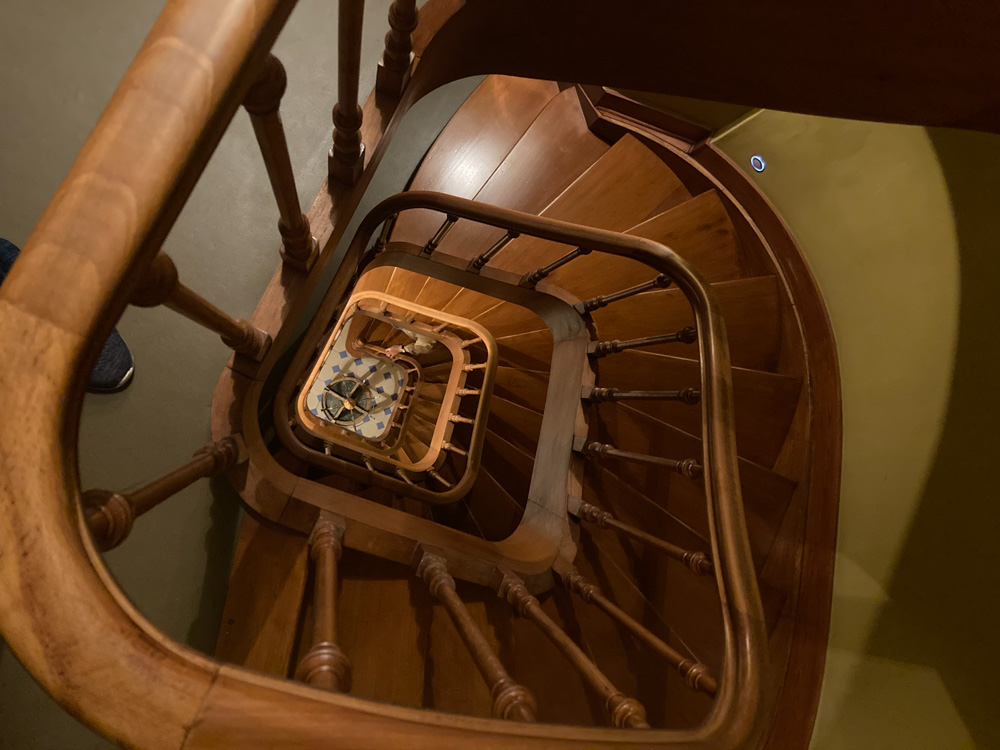
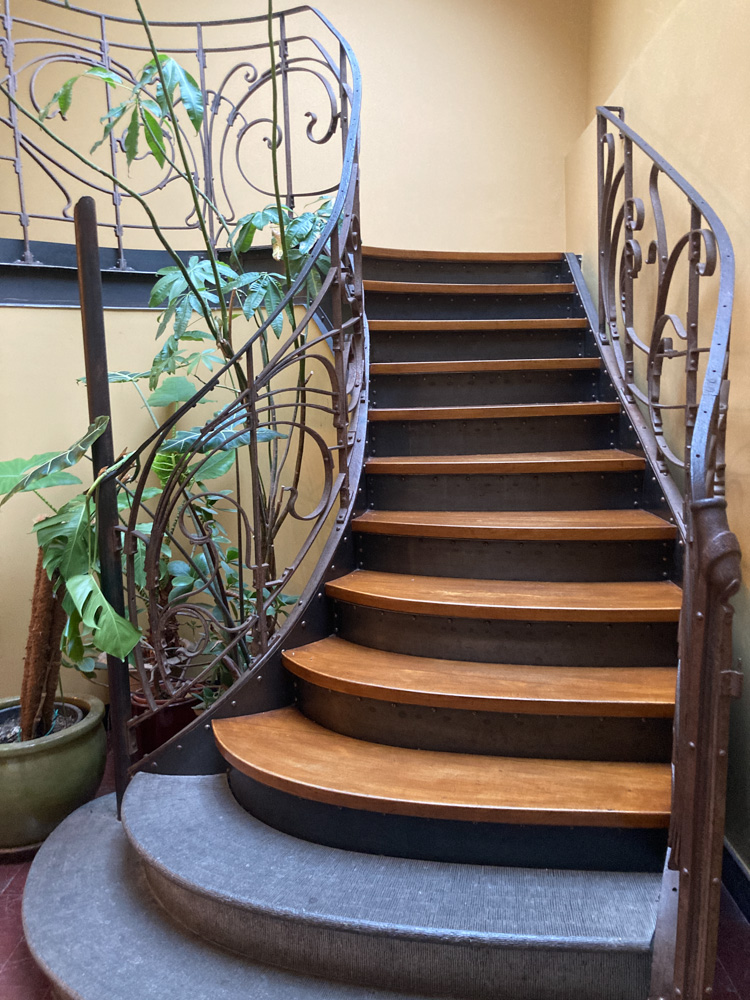
My first impression upon entering the Horta House was simply that it felt like a grand residence. Beyond its size, elegant curves reminiscent of Western churches appear throughout the space. Staircases and open spaces made of iron and glass show how structure itself becomes ornament. Soft natural light enters the interior, and together with plant-like curves, the house feels like a single organic whole. These are all things written in textbooks. What struck me most, however, was how the bedrooms and back-of-house spaces were kept relatively simple. Since this was a private home, unlike a palace, there was no need to design every storage space with the same intensity. Excessive ornament even inside drawers might only get in the way.
The Horta House is about a forty-minute walk from my hotel in the city center. Along the way, I noticed that even the railings of nearby houses often carried elegant curves. Seeing these details together, Art Nouveau and Art Deco no longer felt like fixed historical styles, but like living trends—something that once spread, faded, and existed within everyday life. Just as some students chose black socks when loose socks were in fashion, even during the height of Art Nouveau, there must have been people who preferred something entirely different. Rather than only learning from textbooks, I was glad I came to see it for myself.
アールヌーボーの巨匠、ヴィクトール・オルタの自邸が今はミュージアムになっていて、オルタの他の3つの邸宅と共に世界遺産に登録されている。Day70: Mexico City “Dream”でルイスバラガン邸を訪れた時にも書いたが、建築家の自邸は設計者の思想を色濃く反映し、私が一番好きな建物のジャンルだ。ヨーロッパは洗練されたデザインには困らず何をtocotocoに選んでも良いのだが、より感動したものをと思うと、自分の視点が入らず誰かが選んだデザインになってしまい、どうしても教科書に載っている場所めぐりのようになってしまう。ただ、教科書を見るのと実際にそのものや周辺の文脈も含めて見るのは全く違う。
オルタ邸に入った印象はとにかく豪邸だと感じた。その広さもあるが、西洋の教会を思わせるような、優美な曲線が随所に使われている。鉄とガラスを用いた階段や吹き抜け空間で、構造そのものが装飾として成立していた。自然光が内部にやわらかく入り込み、植物を思わせる曲線とともに、空間全体がひとつの有機的な構成体として感じられた。そんなことは教科書に書いてあることだが、私が特に印象的だったのは、寝室やバックヤード等は比較的簡素に作られていたことだった。自宅なので当たり前だが、宮殿と違って押し入れみたいな場所は当然こだわる必要もない。引き出しの中にまでくねくねとした装飾があるのは邪魔かもしれない。
オルタ邸は中心部のホテルからは徒歩40分ほどと遠く、町並みも含めて見ていたが、近隣の家の手すりは優美な曲線のものが多かったりしていた。そういうものも含めて見ていると、アールヌーボーやアールデコは歴史上の出来事、様式ではなく、女子高生がルーズソックスを流行らせたりするような、流行ったり廃れたり、そういう息づいているものだなと感じることができた。ルーズソックスが流行っていても黒いソックスを履く子もいるように、アールヌーボーが流行っている時代に他の全く違うものを好む人もいる。教科書で勉強するだけでなく、実際に足を運んで良かった。